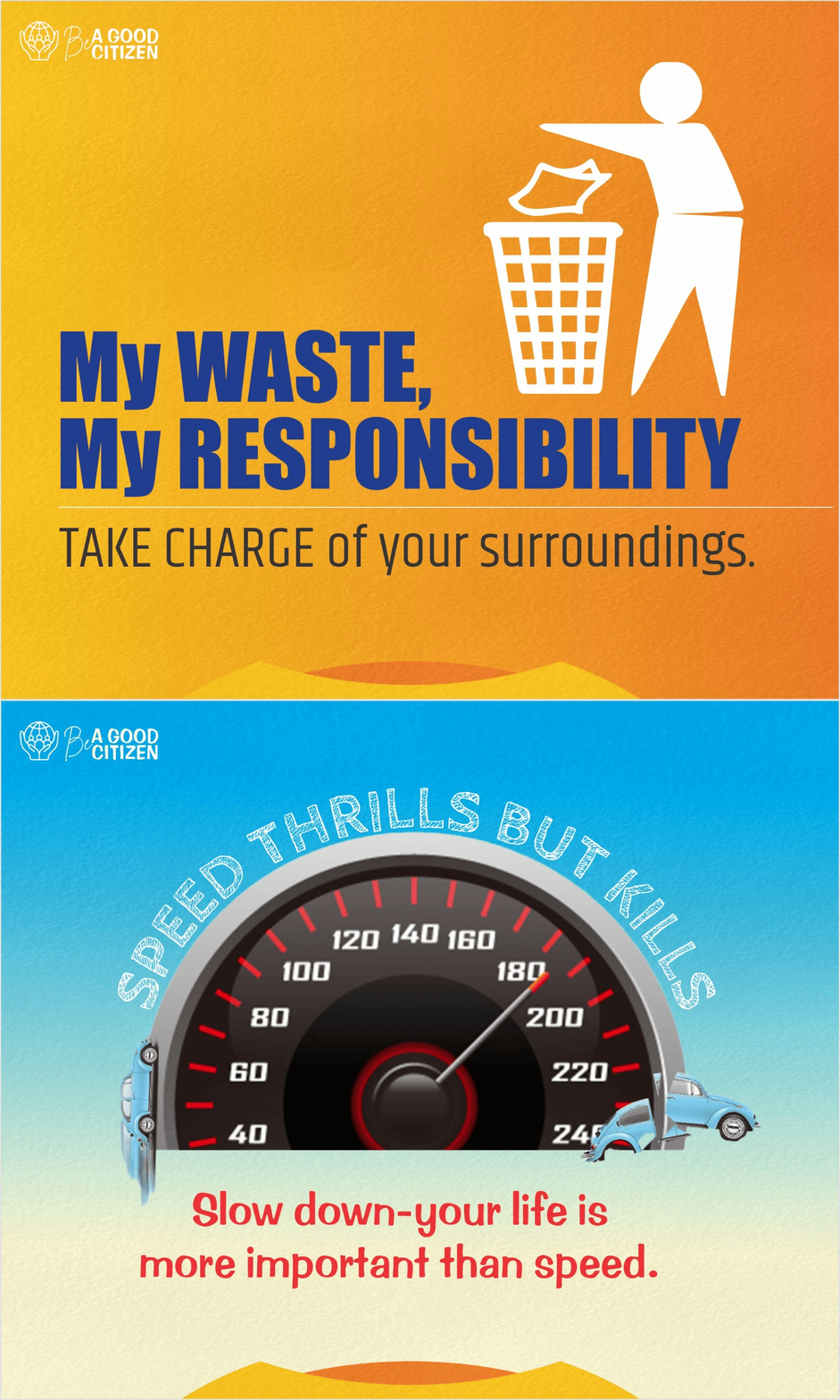
Nagpur, Maharashtra — In a commendable effort to foster environmental consciousness and celebrate the spirit of sustainability, the Maharashtra State Biodiversity Board recently hosted a creative drawing competition at Van Bhavan, Nagpur. The event, held as part of the ongoing Swachhata Pakhwada 2026 initiative, brought together officers and staff to express their collective vision for a greener and cleaner future through art.
The competition, themed “Clean India of My Dream,” served as a vibrant platform for participants to showcase their commitment to environmental stewardship. By transforming their thoughts into visual narratives, the attendees highlighted critical pillars of a sustainable society, including biodiversity conservation, effective waste management, and the necessity of individual environmental responsibility.
Why This Initiative Matters
The Swachhata Pakhwada (Cleanliness Fortnight) is more than just an annual observance; it is a nationwide movement designed to integrate the values of the Swachh Bharat (Clean India) Mission into the daily professional and personal lives of citizens. By involving the Forest Department—the very guardians of our natural heritage—the event underscored the deep connection between a clean urban environment and the protection of our broader biodiversity.
For the participants, this was an opportunity to step away from administrative duties and engage with the environment through a creative lens. The artwork produced during the competition served as a powerful reminder that sustainability is not solely the responsibility of policymakers, but a collective effort that begins with awareness and action at every level.
The Impact of Creative Engagement
Environmental advocacy often relies on data, policy, and field operations. However, integrating art into these campaigns can be remarkably effective. Creative expression allows individuals to visualize complex issues—such as the impact of plastic waste on ecosystems or the beauty of a restored forest—in a way that is personal and emotive.
The success of the Nagpur event demonstrates that when organizations provide a space for creative dialogue, they effectively boost morale and reinforce the core values of their mission. Participants were not only encouraged to reflect on the state of the environment but were also celebrated for their enthusiasm in advocating for a healthier, cleaner India.
Key Takeaways
- Creative Awareness: Using art competitions helps communicate complex environmental messages in an accessible and engaging manner.
- Employee Engagement: Involving staff in environmental initiatives fosters a stronger sense of ownership and responsibility toward sustainability goals.
- Holistic Approach: The event highlighted that cleanliness is directly linked to biodiversity conservation and proper waste management, moving beyond simple litter reduction.
- Continued Momentum: Events held at hubs like Van Bhavan help maintain the momentum of the Swachh Bharat mission, ensuring it remains at the forefront of public and institutional focus.
Frequently Asked Questions (FAQs)
What is the purpose of Swachhata Pakhwada?
Swachhata Pakhwada is an annual campaign aimed at ensuring intense focus on the issues and practices of cleanliness. It seeks to bring a fortnight of intense focus on the initiatives and practices of the Swachh Bharat Mission.
How does art help in environmental conservation?
Art serves as a universal language that can simplify complex environmental issues, raise emotional awareness, and inspire communities to take tangible actions toward sustainability.
What is the role of the Maharashtra State Biodiversity Board?
The Board is responsible for promoting biodiversity conservation, sustainable use of biological resources, and ensuring equitable sharing of benefits arising from the use of such resources within the state of Maharashtra.
How can individuals contribute to “Clean India of My Dream”?
Individuals can contribute by practicing waste segregation at home, reducing single-use plastics, participating in local plantation drives, and advocating for the conservation of local green spaces.